MV
MonacoViews
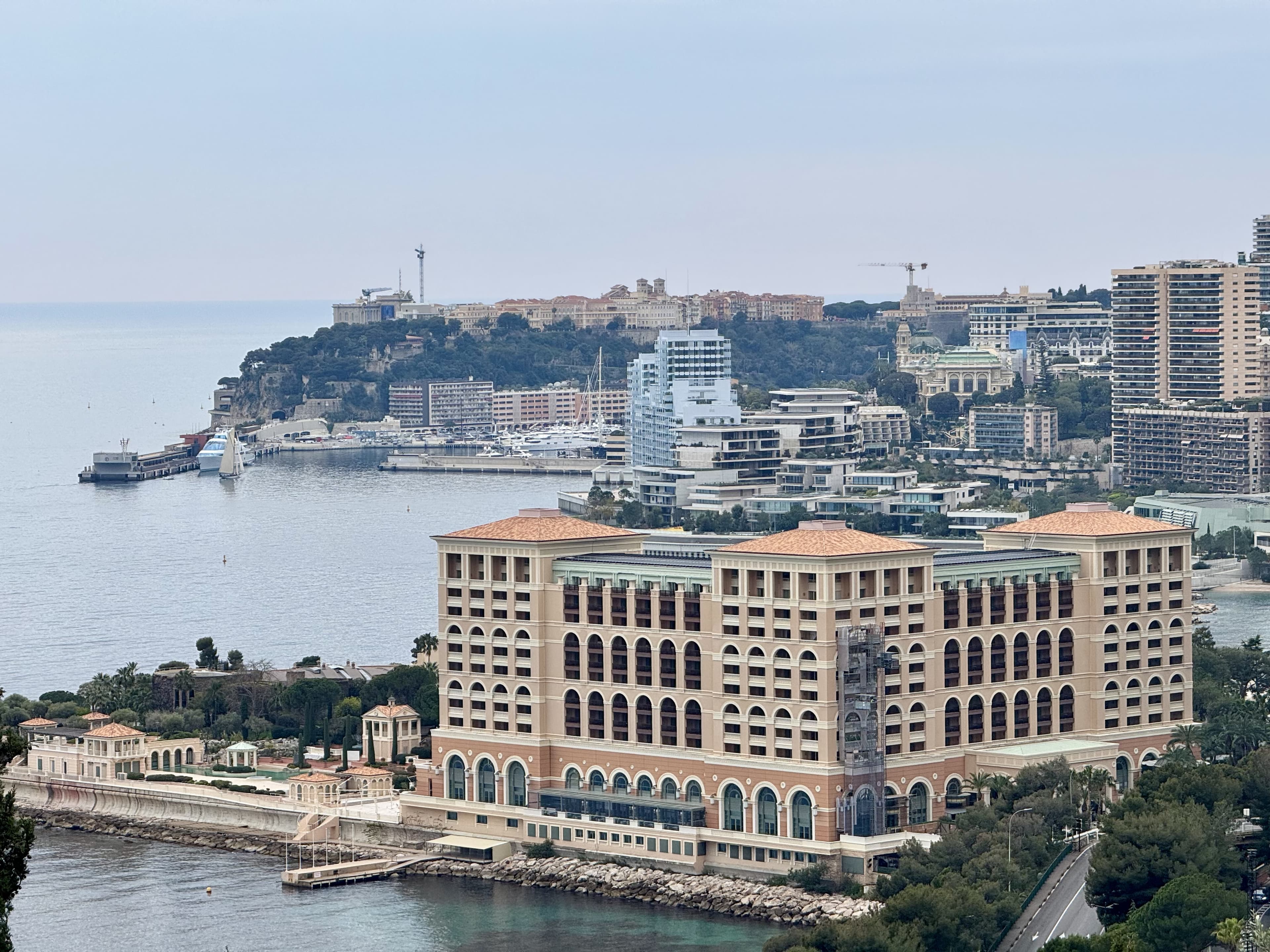
Monaco skyline
Complete Guide

Living in Monaco

Your complete guide to life in the Principality, from tax advantages and residency requirements to excellent schools, healthcare, and a property market like no other.

Why Monaco?

Monaco offers a singular combination of advantages that no other jurisdiction can match. The Principality levies no personal income tax, no wealth tax, and no capital gains tax on individuals — a policy that has been in place since 1869. This makes it highly attractive to entrepreneurs, investors, and high-net-worth families seeking a tax-efficient home base within Europe. Beyond the fiscal benefits, Monaco is one of the safest places on Earth. With approximately one police officer for every 60 residents and extensive 24/7 CCTV coverage, the Principality has the lowest crime rate in Europe. Streets feel safe at any hour, and families enjoy a sense of security that is increasingly rare in major cities. The Mediterranean climate delivers more than 300 days of sunshine per year, with mild winters rarely dropping below 8°C and warm summers averaging 26°C. The compact size of the Principality — just 2.02 square kilometres — means everything is walkable. From your apartment to the beach, the Casino, or the harbour, nothing is more than a 20-minute stroll away.

Residency Requirements

Obtaining residency in Monaco requires meeting several criteria. First, you must secure accommodation — either by purchasing or renting a property within the Principality. There is no minimum property value requirement, but the accommodation must be genuine and suitable for habitation. Second, you must open a bank account with a Monaco-based financial institution. Banks typically require a minimum deposit, which in practice ranges from approximately €500,000 to €1,000,000, depending on the institution and your profile. This deposit demonstrates financial self-sufficiency and is a key part of the due-diligence process. The application is submitted through the Direction de la Sûreté Publique. There are three types of residence permits: the temporary residence card (valid for one year, renewable), the ordinary residence card (issued after three years of continuous residence), and the privileged residence card (after ten years). Each renewal extends the validity period. The process typically takes several weeks to a few months, and applicants must provide proof of clean criminal records, health insurance, and financial resources.

Getting Around

Despite its tiny footprint, Monaco has an impressively comprehensive transport network. The Compagnie des Autobus de Monaco (CAM) operates six regular bus routes, three express services, and two night lines covering every district. A single ride costs €1.50, or €2 depending on the route, with multi-ride cards available at a discount. One of Monaco's most notable features is its network of roughly 80 public lifts and escalators, all free and operating 24 hours a day. These connect the steep terrain between districts and make navigating the hillside effortless — you can travel from the harbour to the upper districts without breaking a sweat. For trips beyond the Principality, the Monaco-Monte Carlo train station provides direct SNCF services along the Côte d’Azur. Nice is just 30 minutes by train, and the TGV connects to Paris in under six hours. For faster travel, Monacair operates a helicopter shuttle from the Monaco Heliport to Nice Côte d’Azur Airport in just seven minutes, with fares from approximately €150 per person. The airport itself offers connections to virtually every major city in Europe and beyond.

Schools & Education

Monaco provides outstanding educational choices for families at every level. The International School of Monaco (ISM) is the most popular option for the international community, offering an English-language curriculum for children aged 3 to 18, following the International Baccalaureate (IB) programme. The school is located in a modern facility and has an excellent reputation. The Lycée Albert Premier is the Principality’s main state secondary school, offering both the French baccalauréat and a British section. It achieves a remarkable 98% pass rate and sends students to top universities across Europe. The François d’Assise-Nicolas Barré (FANB) is a well-regarded private Catholic school offering French-curriculum education from primary through secondary. The British School of Monaco provides a UK-aligned education for younger students. At the primary level, Monaco operates seven state primary schools, all of which follow the French national curriculum and are free for residents. For higher education, the International University of Monaco (IUM) specialises in business, luxury management, and finance, attracting students from around the world. Many families also access the excellent international schools in nearby Nice and Sophia Antipolis.

Healthcare

Healthcare in Monaco is of the highest standard. The Princess Grace Hospital Centre (Centre Hospitalier Princesse Grace, or CHPG) is the Principality’s main public hospital, providing comprehensive medical, surgical, and emergency services. It is well-equipped with modern facilities and staffed by highly trained specialists. Looking to the future, Monaco has embarked on an ambitious project to build a brand-new hospital, with completion targeted for 2032. The new facility will significantly expand capacity and incorporate the latest medical technologies, ensuring Monaco remains at the forefront of healthcare delivery. In addition to the CHPG, the Principality is home to numerous private clinics and specialist practitioners covering every discipline from cardiology to orthopaedics. Monaco’s social security system (Caisses Sociales de Monaco) provides residents with substantial coverage of medical expenses, and the doctor-to-patient ratio is among the highest in the world. For specialised treatments, the major hospitals of Nice and the wider Côte d’Azur are easily accessible.

Daily Life

Day-to-day life in Monaco is remarkably convenient. For groceries, residents have several options: the Carrefour in Fontvieille is the largest supermarket, Marché U in La Condamine is well-stocked for everyday needs, and the Place d’Armes daily market offers fresh produce, flowers, cheese, and local specialities every morning except Monday. There are also numerous high-end delicatessens and speciality food shops throughout the Principality. Monaco's dining scene is remarkable, with 16 Michelin-starred restaurants packed into just two square kilometres. Beyond fine dining, there is a wide selection of bistros, trattorias, sushi bars, and beach restaurants to suit every mood and budget. The Condamine Market food court is a local favourite for casual lunches. The social calendar is packed with world-famous events. The Formula 1 Grand Prix transforms the streets into a race circuit every May. The Monaco Yacht Show in September is the world's largest superyacht event. The Monte-Carlo Rally in January is one of the oldest motorsport events in existence. The Bal de la Rose, organised by the Princess of Hanover each March, is Monaco’s most glamorous charity gala. These events, along with concerts, exhibitions, and sporting occasions, ensure there is always something happening.

Property Market Overview

Monaco's property market is the most expensive in the world, with average prices exceeding €50,000 per square metre. In the most in-demand locations such as the Carré d'Or, prices regularly surpass €100,000 per square metre. The market is characterised by limited supply — there are approximately 2,131 active listings at any given time — and consistently strong demand from an international buyer base. Transaction costs are relatively straightforward. Notaire fees amount to approximately 1.5% of the purchase price. Registration duty is 4.5% for resale properties (or 7.5% for new-build purchases from a developer). Traditional agency fees typically run at 3% of the purchase price, though MonacoViews offers significantly lower fees of 1–2%. Notably, there is no stamp duty for individual buyers, and the absence of capital gains tax means that property appreciation is tax-free for individuals. The market has shown remarkable resilience, with prices rising steadily even through global downturns. Monaco’s strict limits on new construction — constrained by its 2.02 km² footprint — ensure that supply remains scarce, supporting long-term value appreciation.

Monaco at a Glance

French
Official Language
Euro (€)
Currency
CET (UTC+1)
Time Zone
+377
Dialling Code
2.02 km²
Area
~39,150
Population
Prince Albert II
Head of State
0%
Income Tax

Ready to Find Your Monaco Home?

Whether you are buying your first Monaco property or adding to a portfolio, our AI-powered platform helps you discover the perfect residence.